


Autoboosty
Digital Angle Finder & Magnetic Level Box
Digital Angle Finder & Magnetic Level Box
Sticks to the blade. Reads to the quadrant.
- 4 x 90° RANGE
- MAGNETIC BASE
- BACKLIT DISPLAY
- Full 360° measurement - in four 90° quadrants
- Magnetic base and sides - clamp to any steel surface
- Zero to any reference - not just to level
- Backlit display - flips to stay readable
- 150 g, 5 x 5 x 2 cm - fits a shirt pocket
Couldn't load pickup availability

📄Description
A magnetic digital angle finder for setting blades, bending stock and checking anything that has to sit at a known angle.
Four 90° quadrants give you a full 360° of measurement. The base and two sides are magnetic, so it clamps itself to a saw blade, a table, a length of angle iron or a bracket and stays there while you read it. Zero it against any surface you like and it measures relative to that instead of to level, which is the whole point on a job where nothing is truly flat.
The display is backlit and flips automatically so the numbers stay the right way up whichever face it is sitting on. Reads in degrees or percent slope. Runs on a button cell, holds a reading with one press, and fits in a shirt pocket at 5 x 5 x 2 cm and 150 g.
🧱Material and build
Magnets: base and both sides
Display: backlit LCD, auto-flip
Size / weight: 5 x 5 x 2 cm, 150 g
Model: ETOPOO DLW30-GR
🧼Care and cleaning
🚚Shipping and returns


Guessing an angle is how a cut gets scrapped.
Every workshop has a bevel gauge that transfers an angle without ever telling you what it is. That is fine until the second cut has to match the first.
Blade to table
Set a mitre or bevel to the quadrant and get the same cut twice
Bending and welding
Check angle iron, brackets and frames against a number you can write down
Under the car
Camber, ramp angles, anything that has to sit at a known tilt
Slope in percent
Drains, ramps and runs where the spec is a gradient, not an angle
"As described. Very readable display. I calibrated it against a professional level meter. Converts between degrees and percent."
"Works exactly as advertised. I use it to help sharpen my knives and scissors - it really is a neat device."
"Great for aligning the saw blade to the saw table. Excellent price-performance ratio."
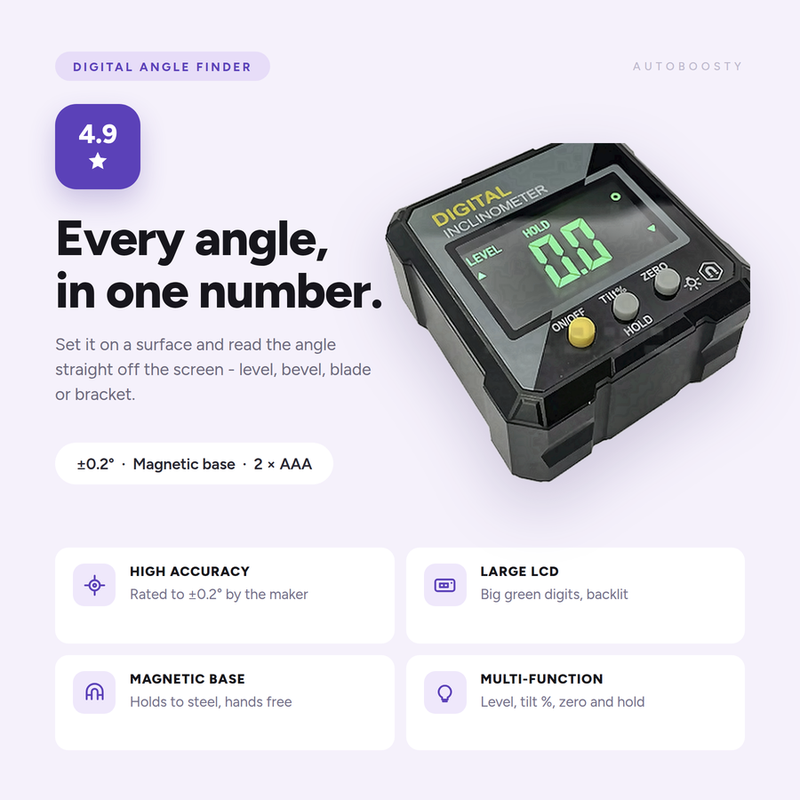
One tool. Four jobs it replaces.
- 1
Magnetic clamp
Holds itself on a blade, a fence or a bracket - no third hand
- 2
Relative zero
Reference any surface and measure from it, not from level
- 3
Backlit flip display
Readable upside down, in a cabinet, under a car
- 4
Degrees or percent
Switches between the two, so it works for slope and for angle
Two is the right number. One for the bench, one for the toolbox.
At 150 g it belongs in the bag you actually carry, and the one that lives on the saw should never leave the saw.
Straight answers
Four quadrants of 90° each, so it measures all the way round. Some listings write this as 490°, which is a typo - there is no such thing.
The base and both sides are magnetic. It holds on blades, fences, angle iron and brackets.
Press zero against any surface and it measures relative to that one. That is how you set a blade to a table that is not perfectly flat.
Customers said this tool is practical, precise, and excellent value. "Works great and a great price," with good accuracy and strong magnet. The display is readable, easy to use, and converts between degrees/percentages. Note: batteries not included. One customer questioned accuracy.
- Works great and a great price. nice magnet and accuracy is good.
- The product is excellent, practical, and precise.
- Works exactly as advertised, i will be using it to assist in sharpening my knives and scissors.
👍
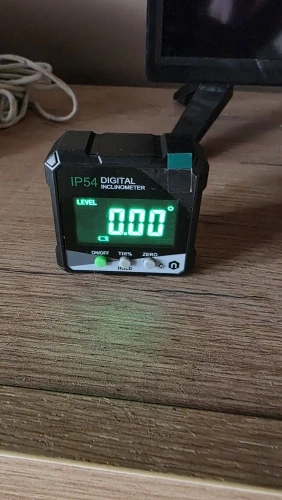
The item meets my expectations and is very practical.
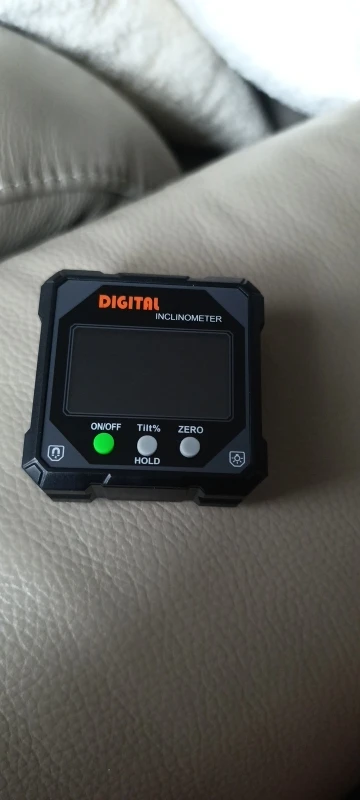
Great product, works perfectly.
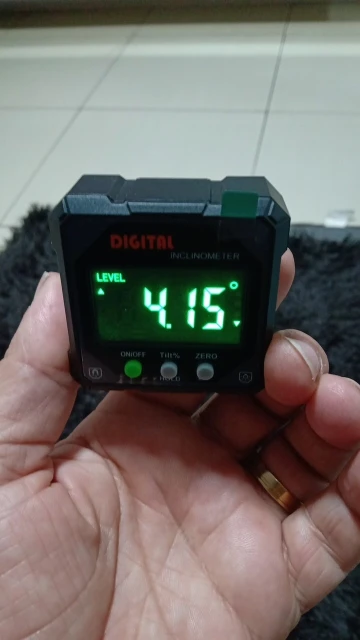
Product identical to the advertisement, compact, easy to use.
However, the batteries are not included.
👍
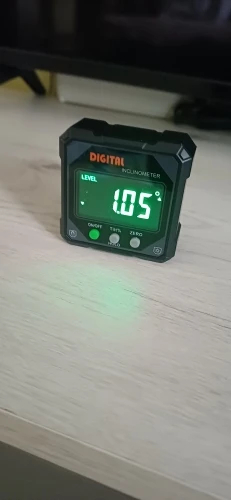
👍
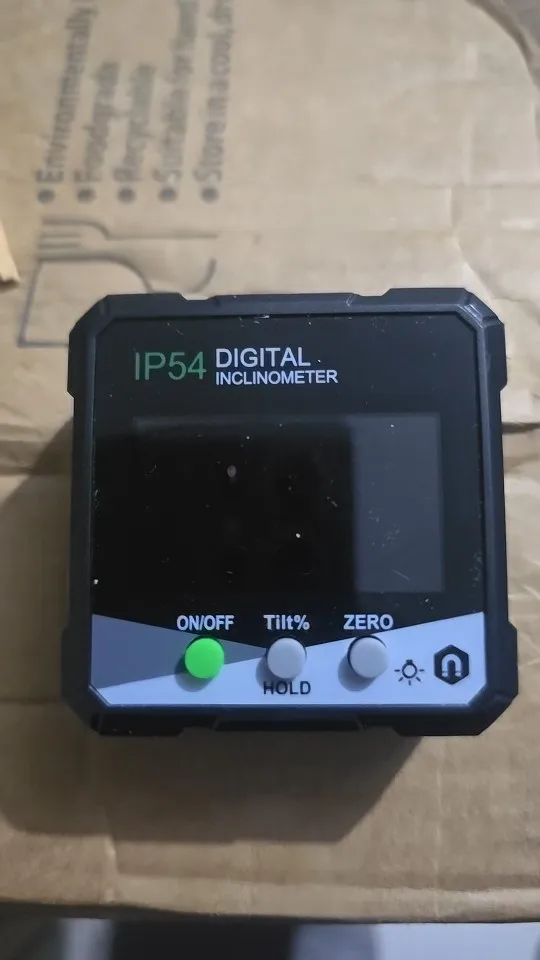
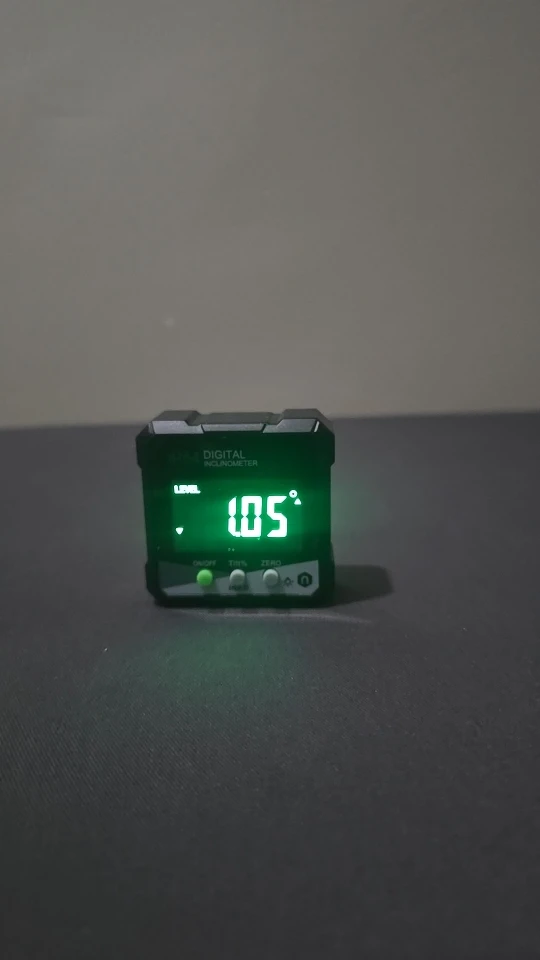
excellent product
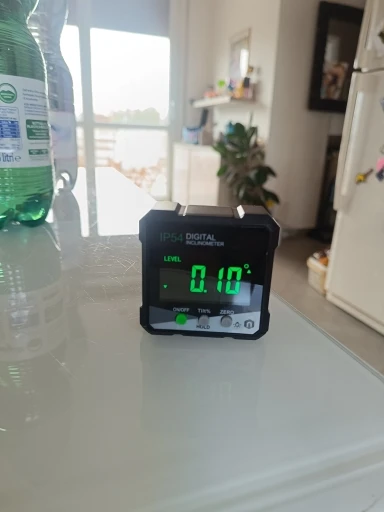
everything is fine
arrived in Ukraine quickly
I recommend
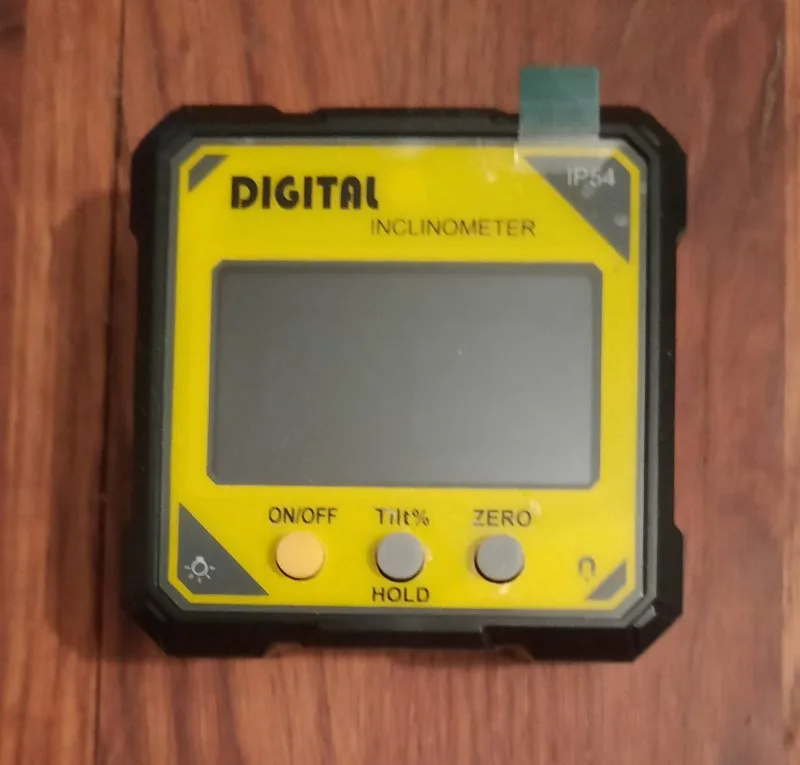
I liked it, very good.
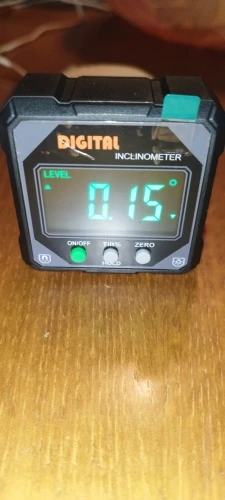
matches the description
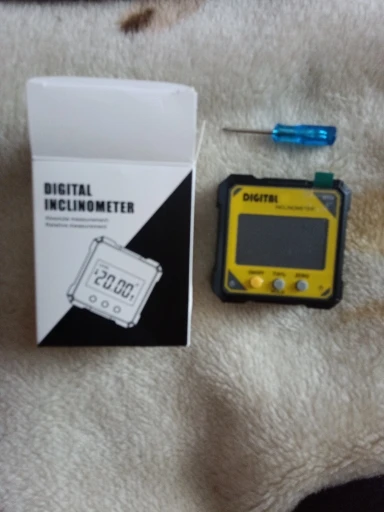
It measures quite well.
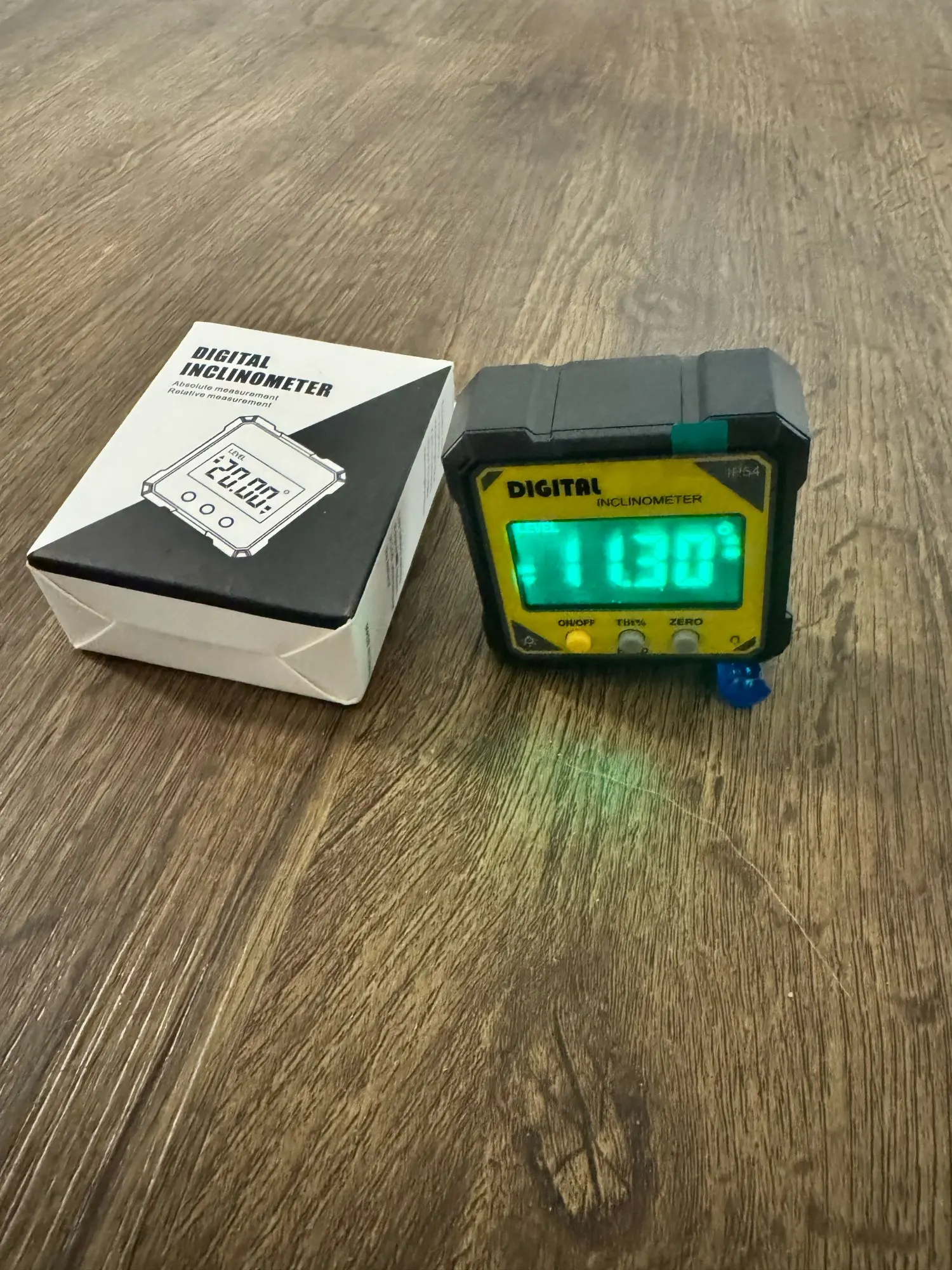
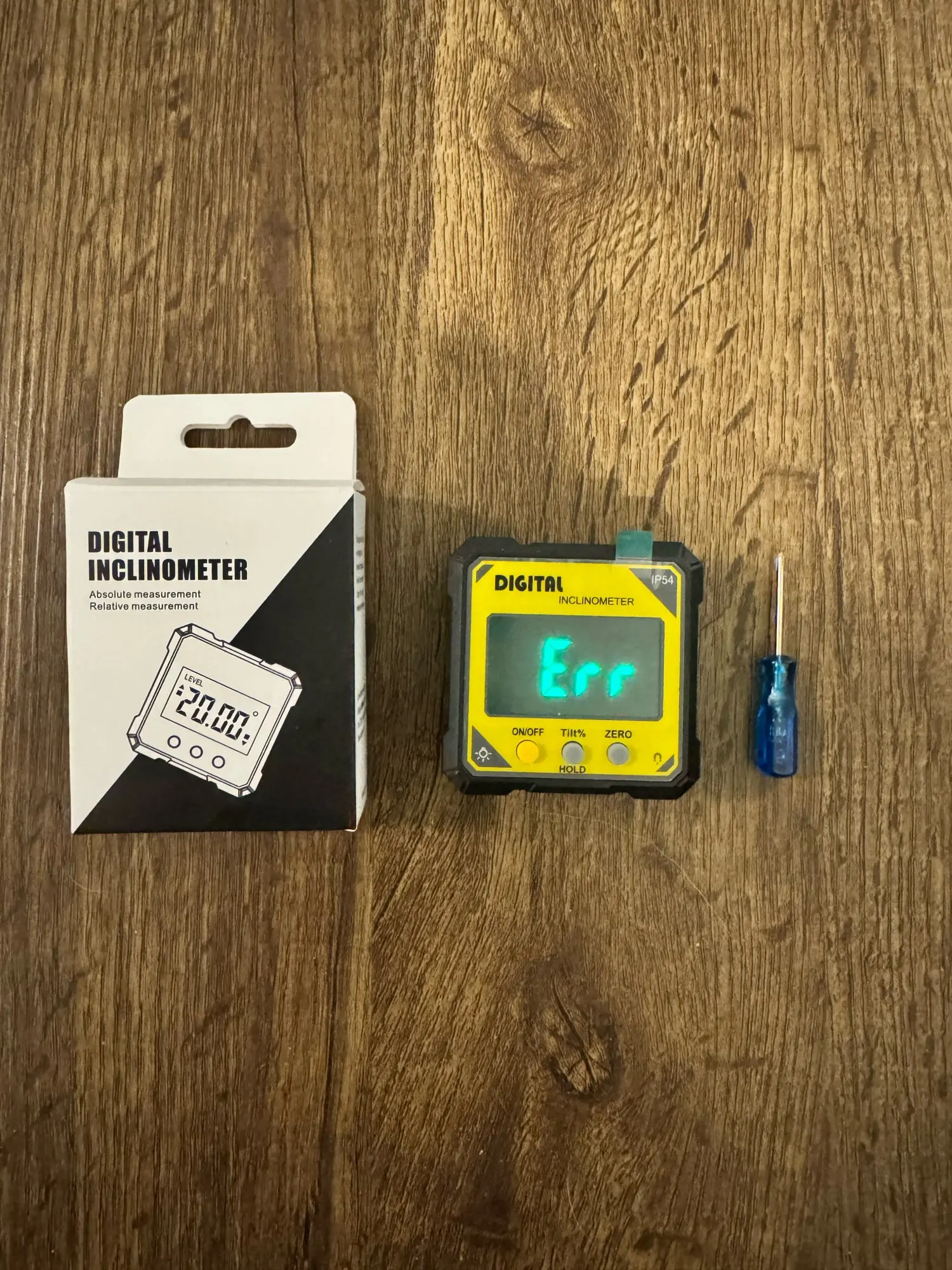
The delivered was faster than i expected. Thank you, all good! I had tested and it is ok
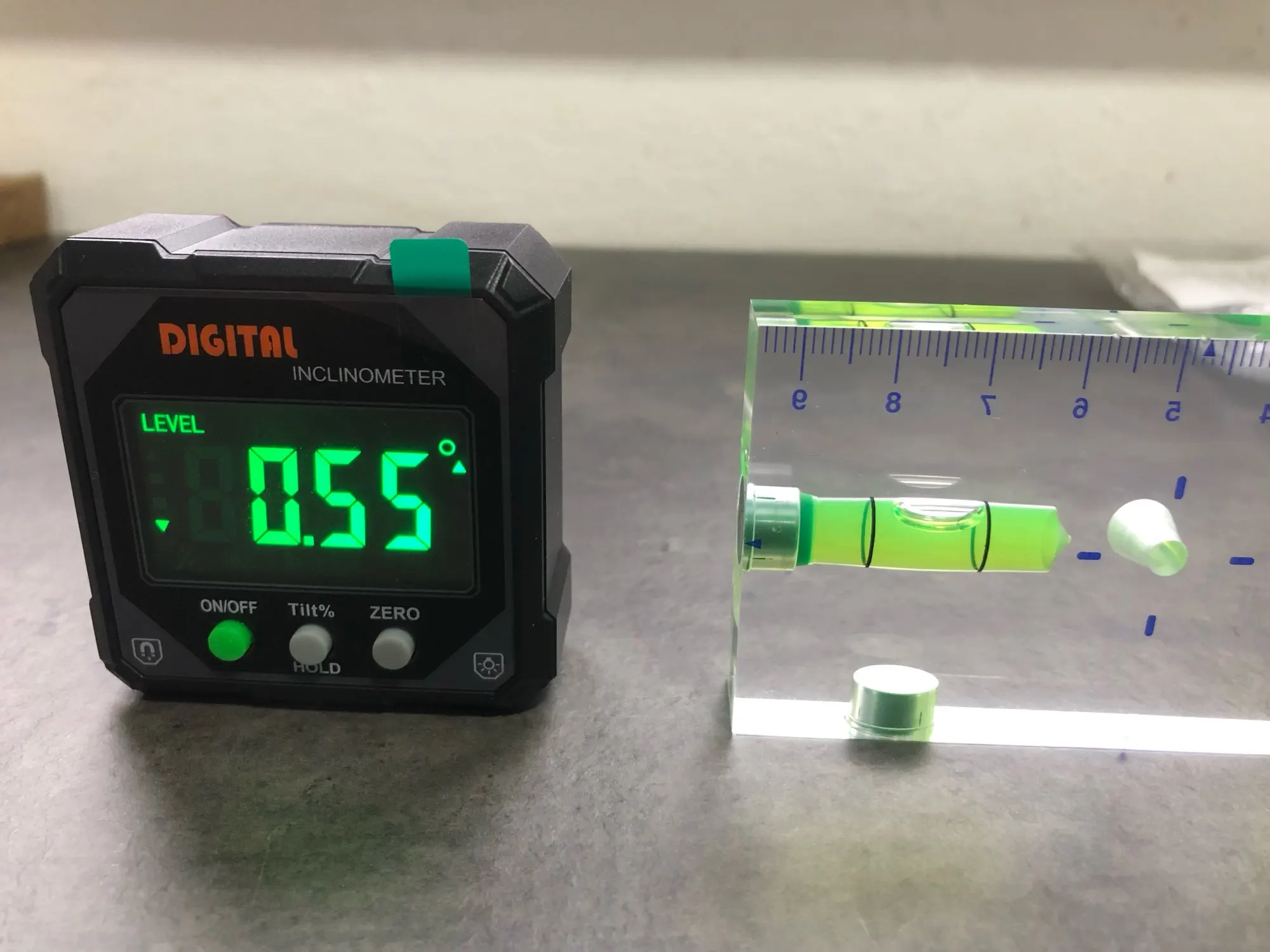
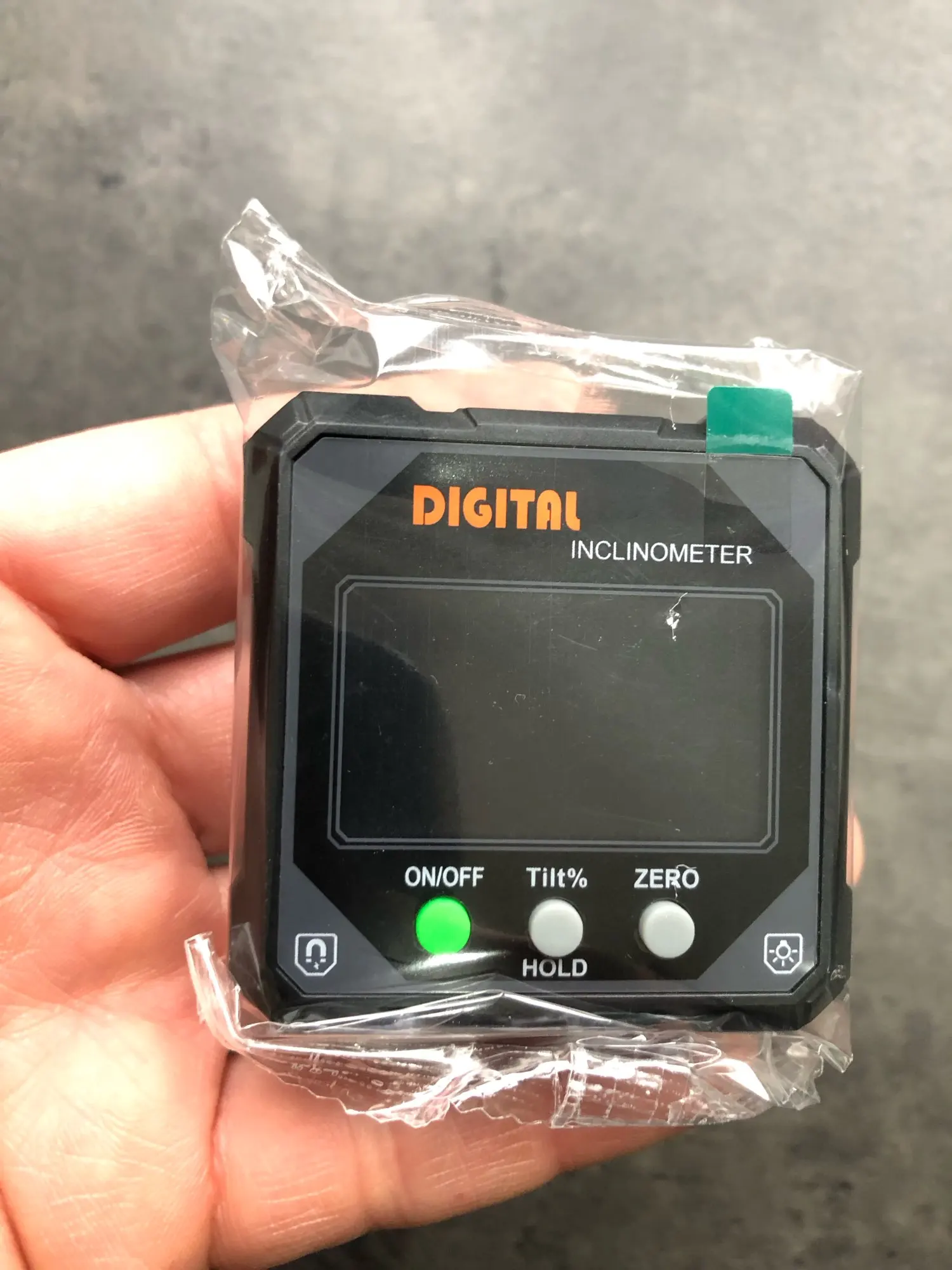
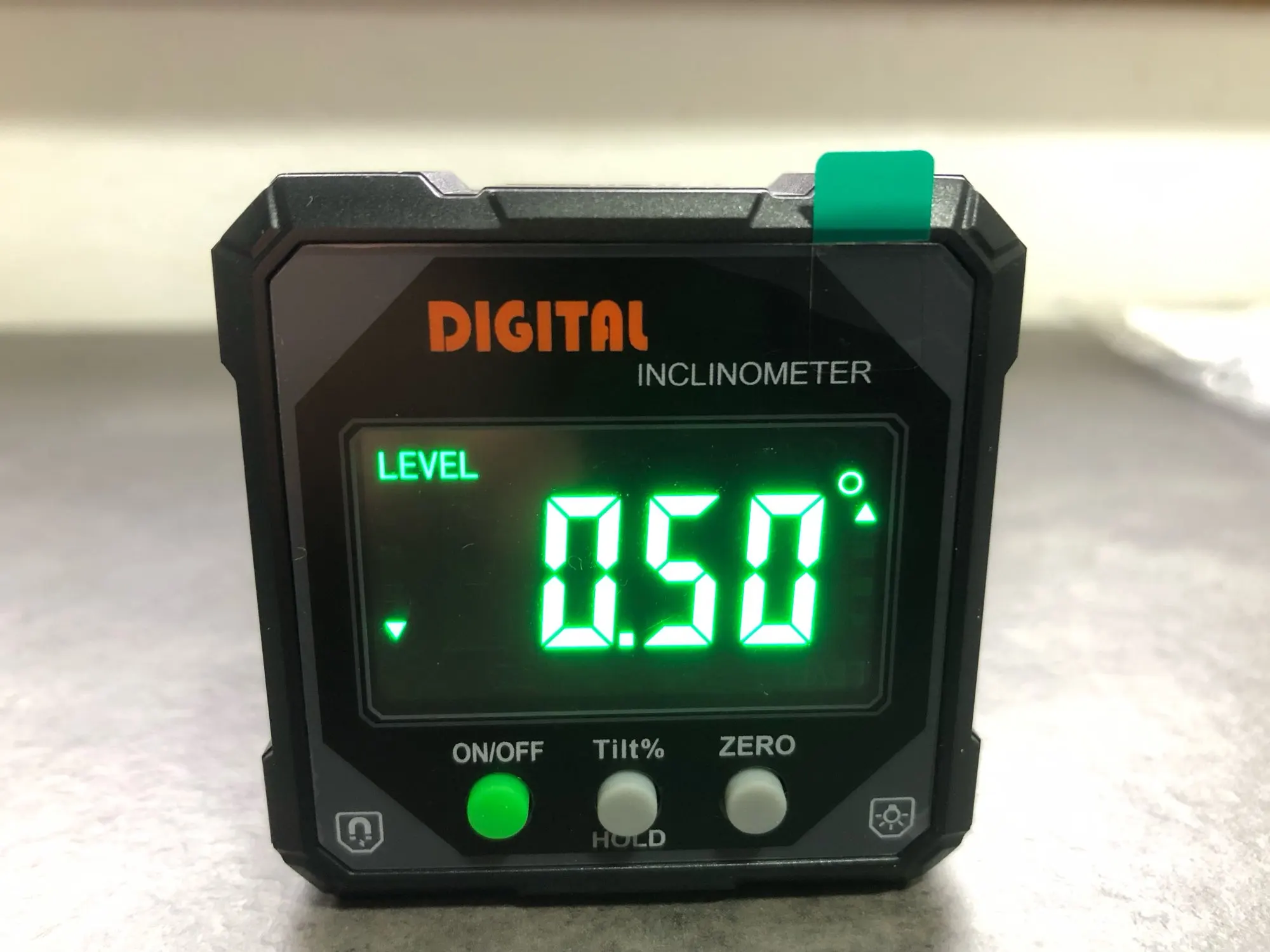
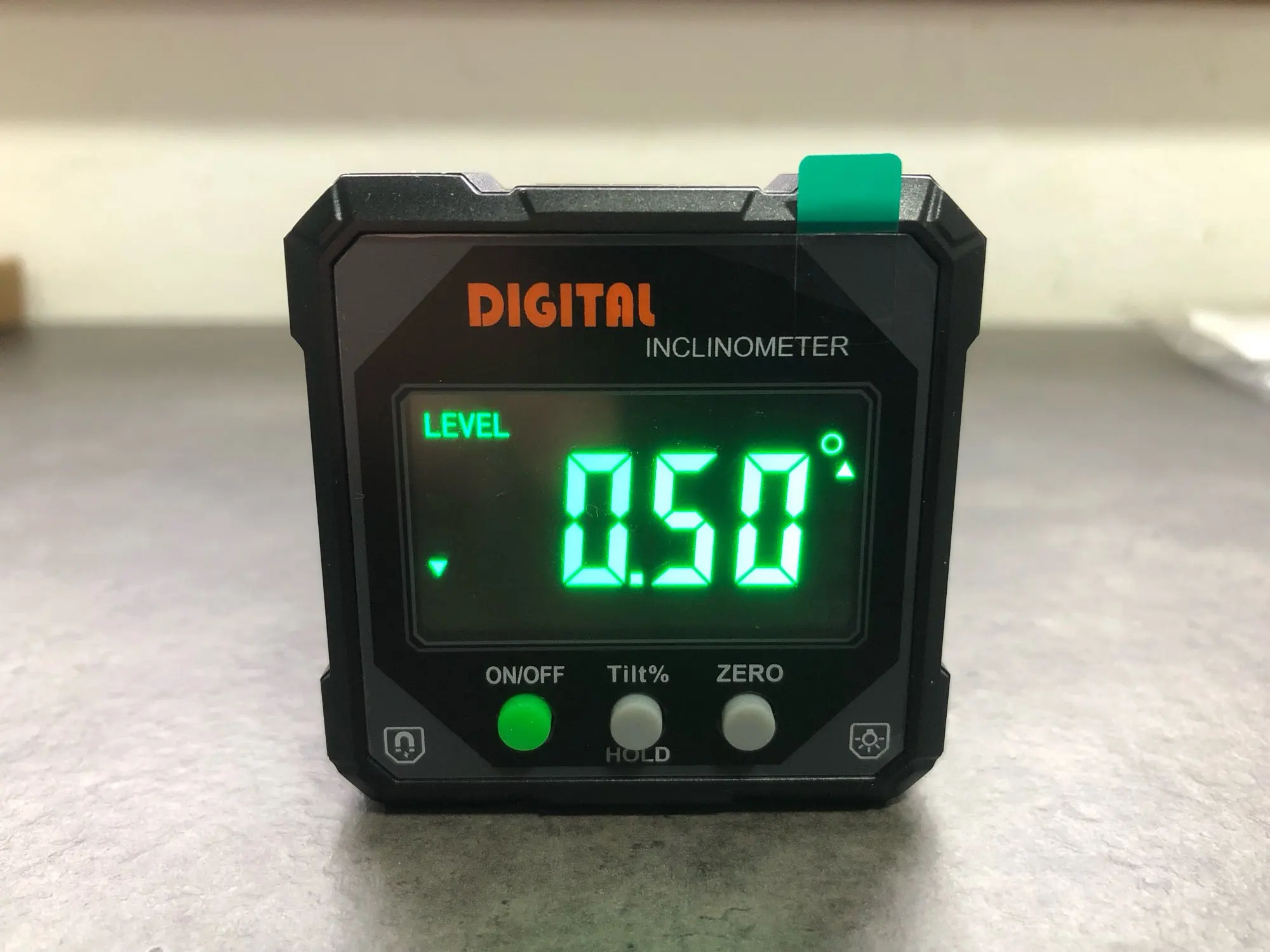
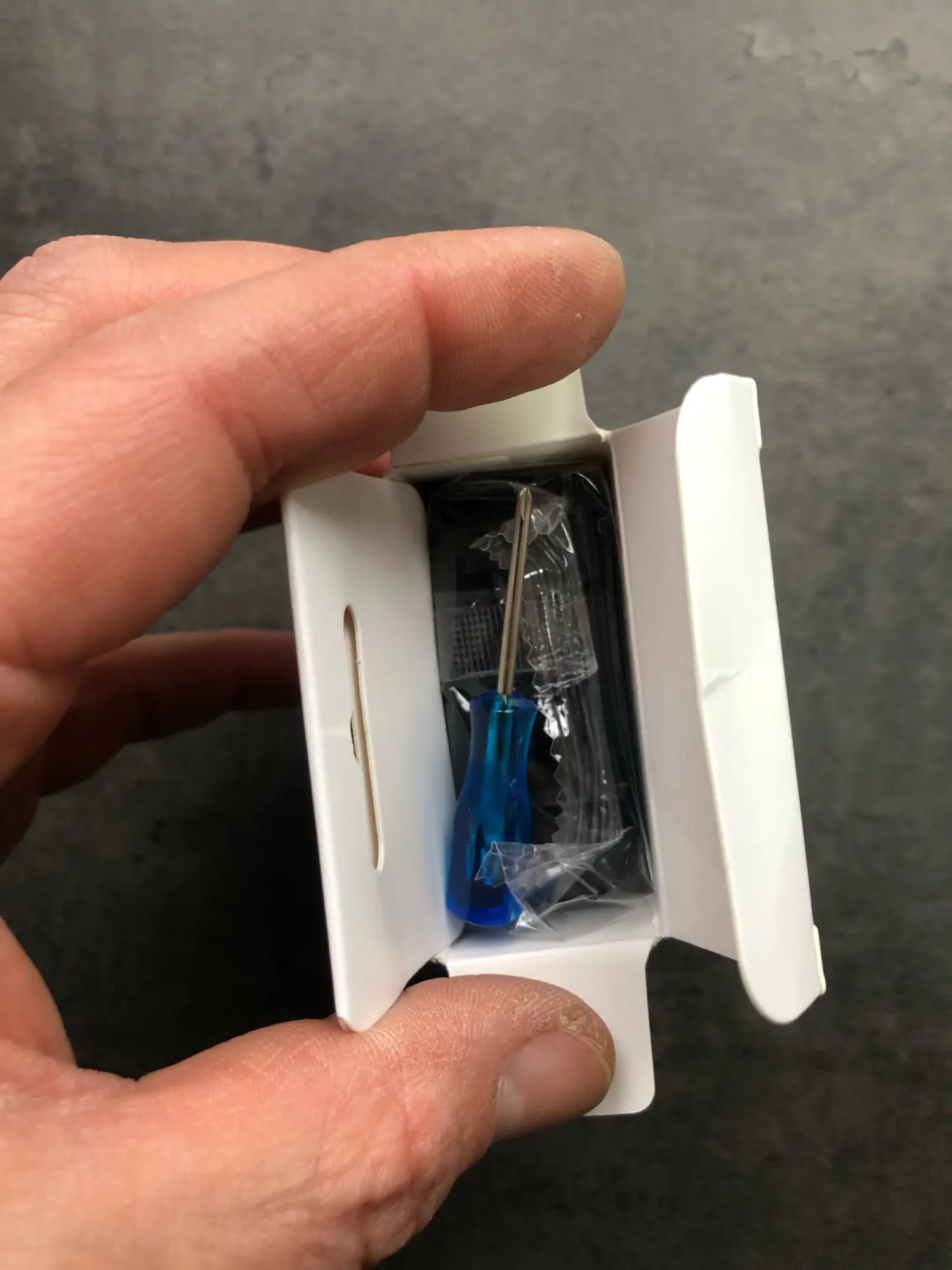
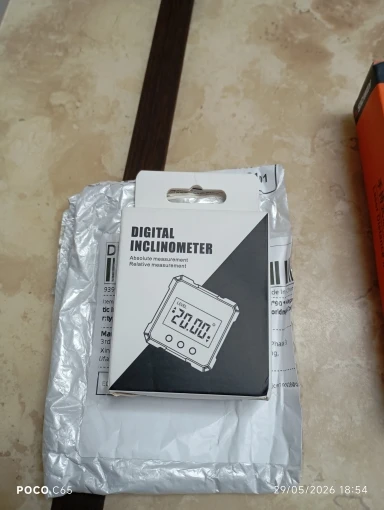
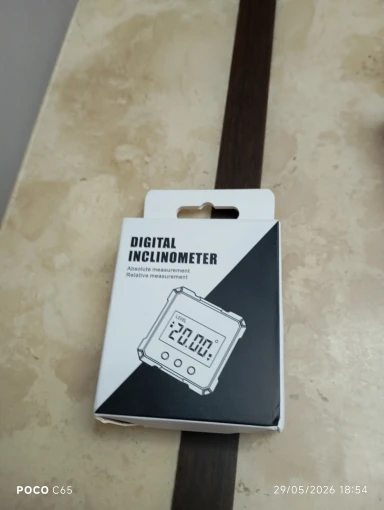
Good packaging, usable material to measure any inclinelement. No battery included
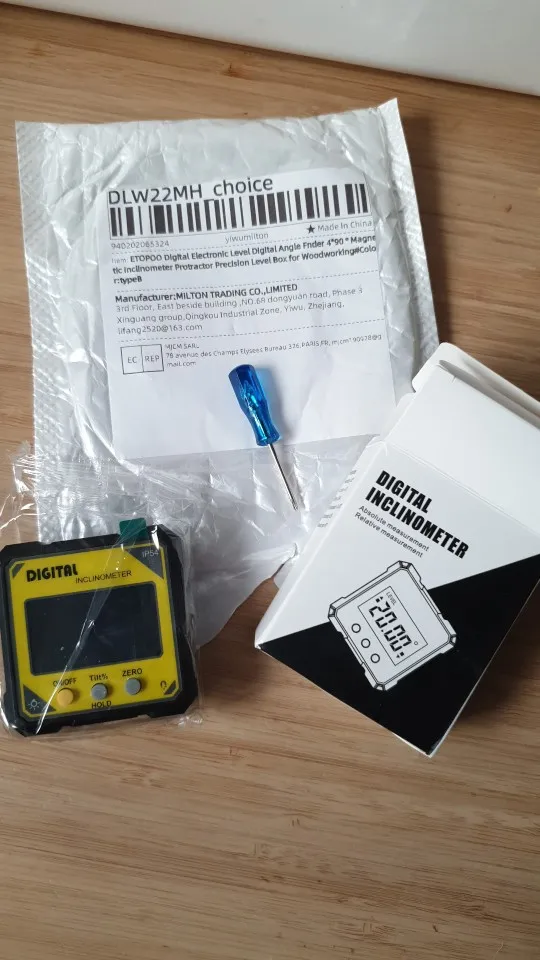
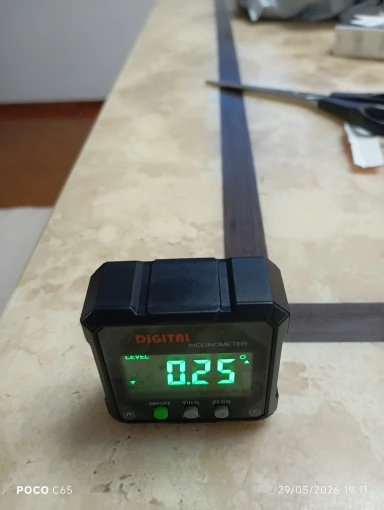
Everything is fine, it works well. It's easy to use. The numbers are large, it's easy to read. It arrived quickly.
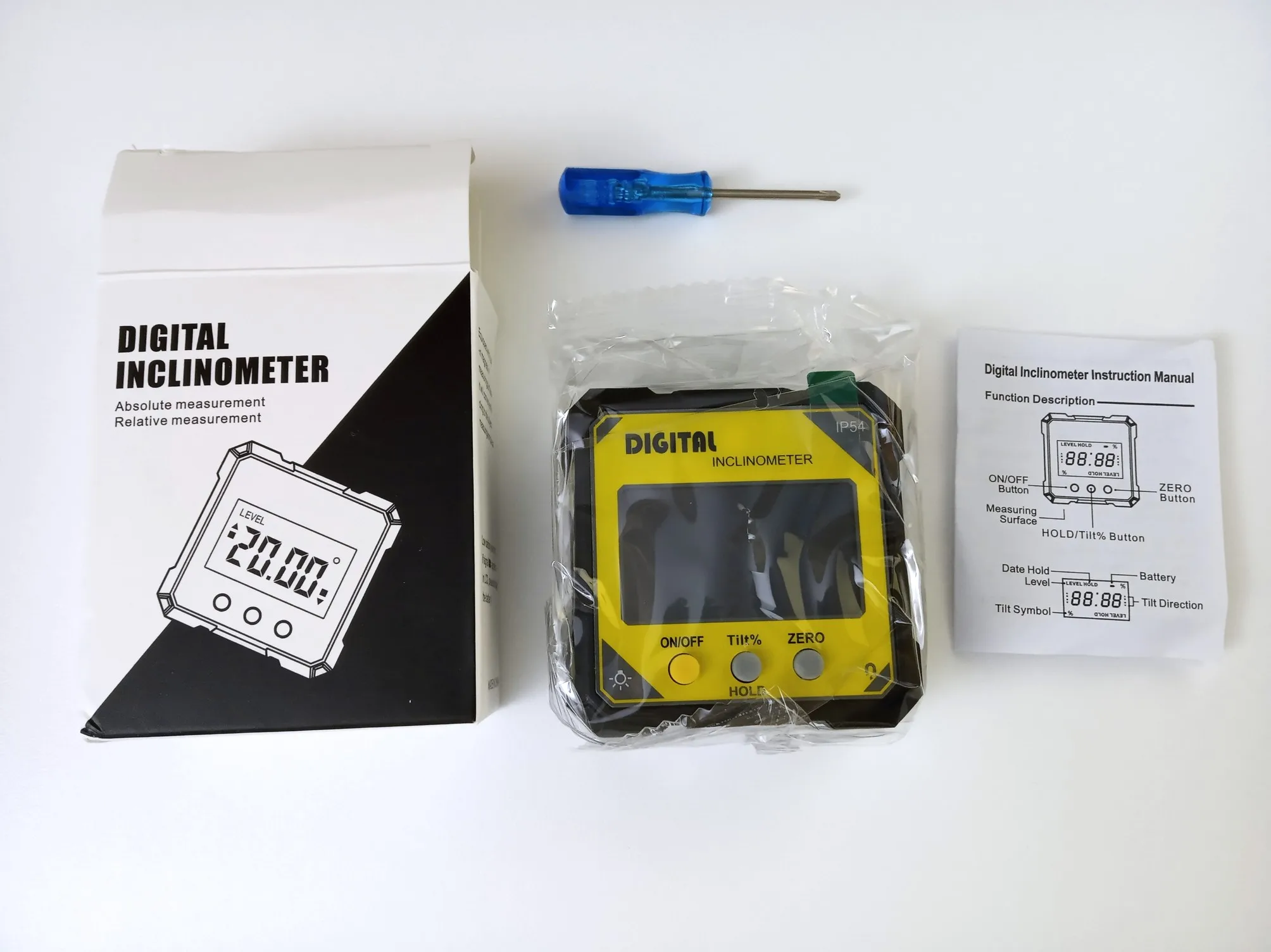
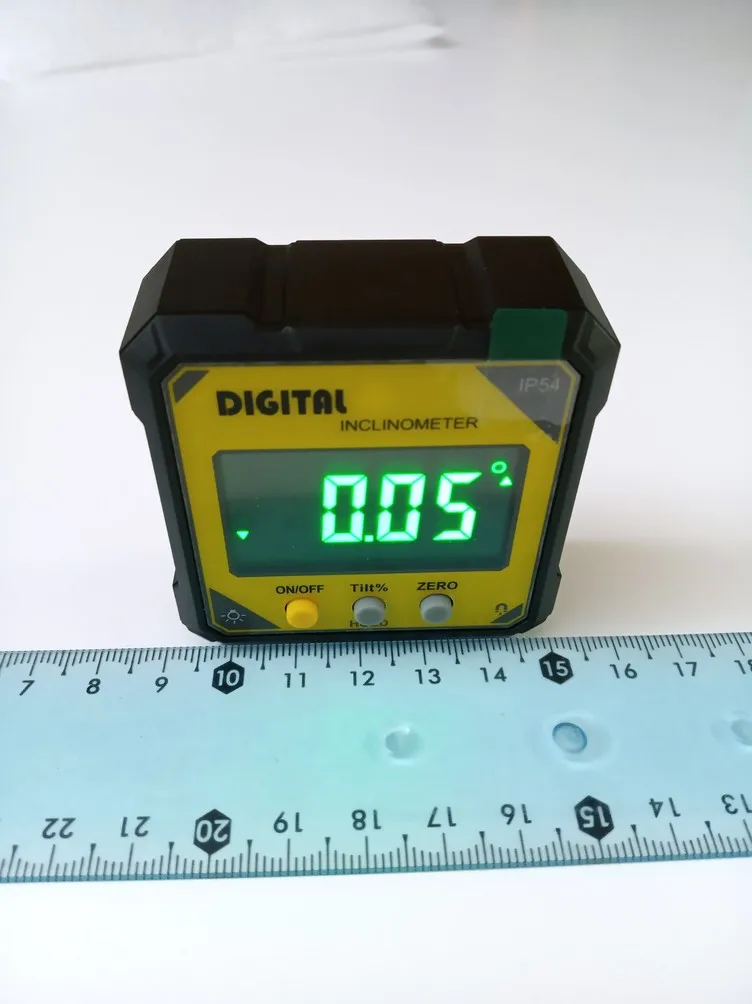
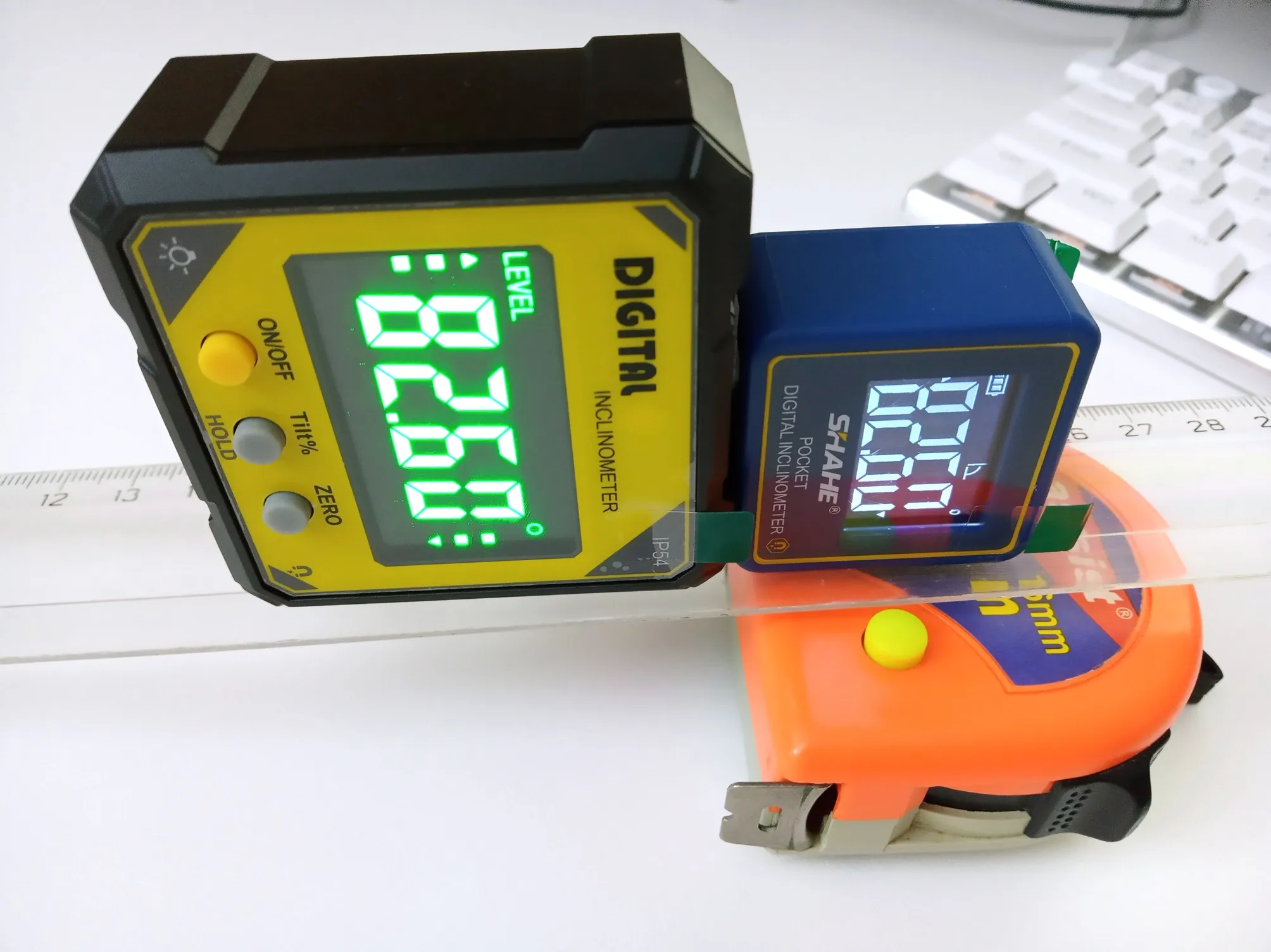
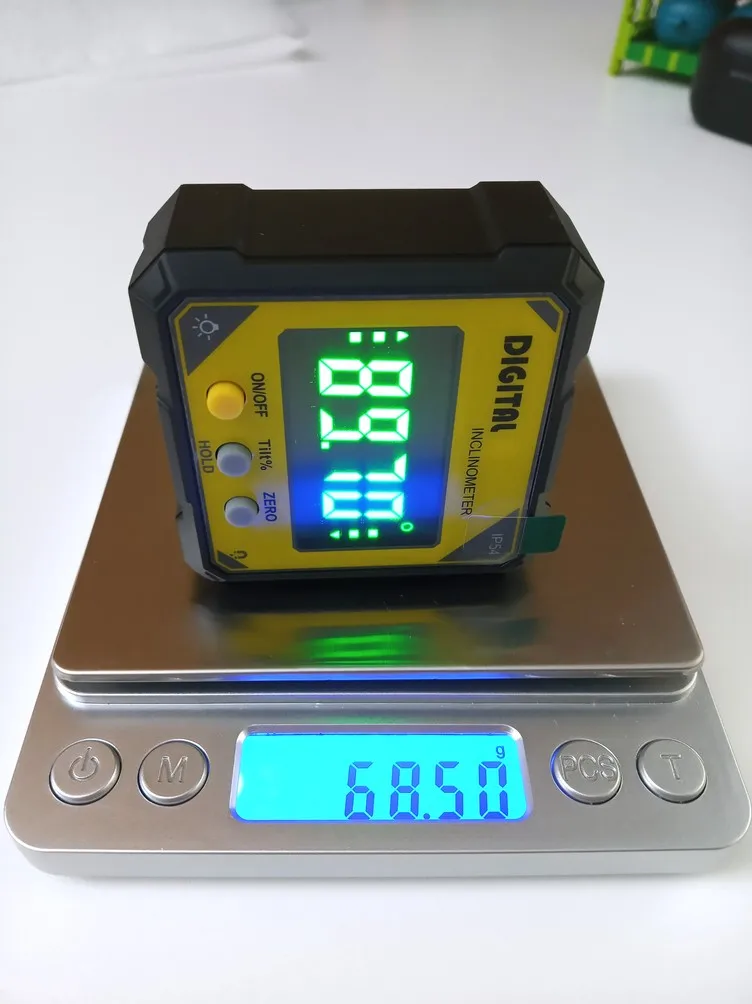
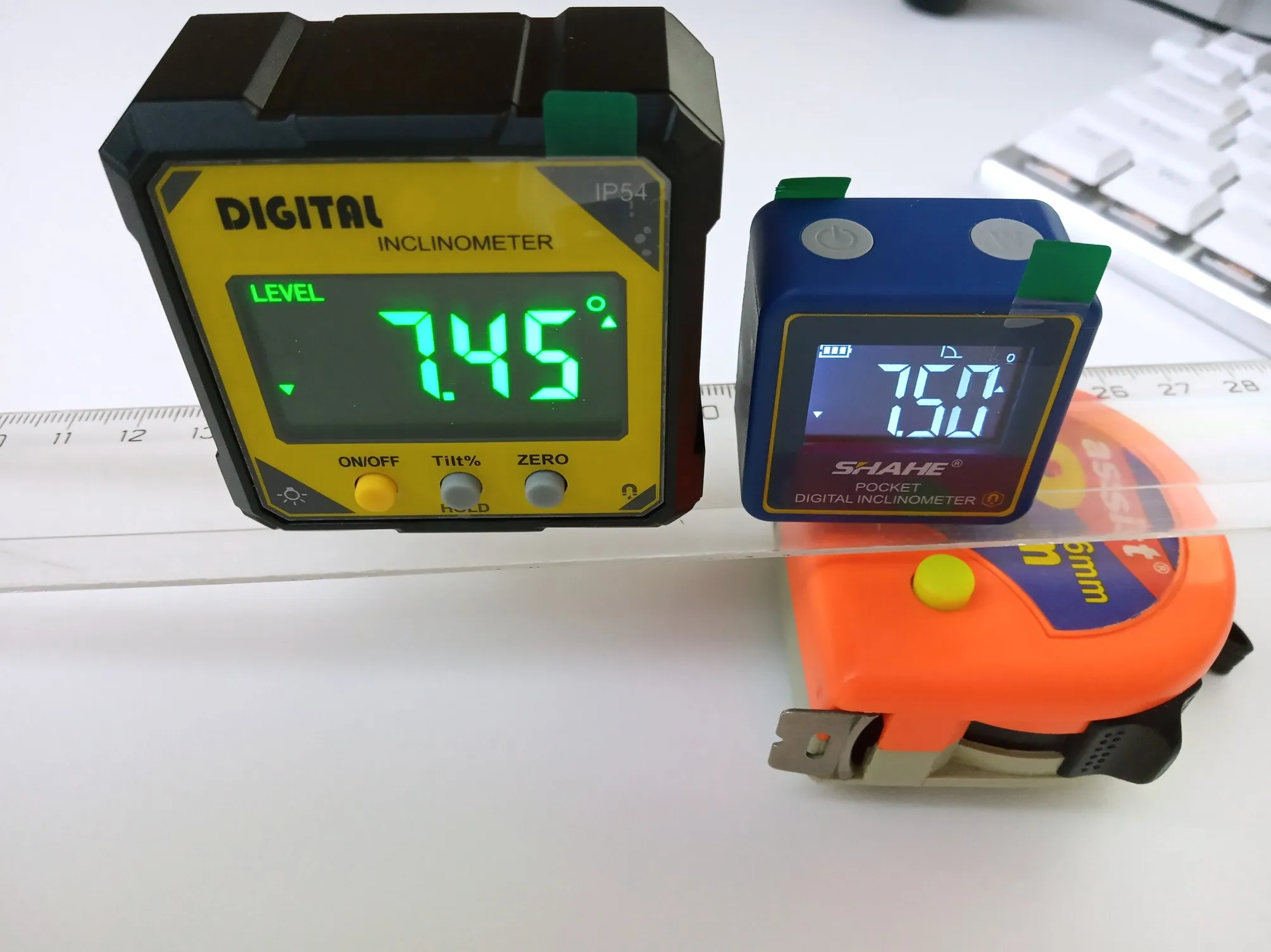
I am happy.
👍
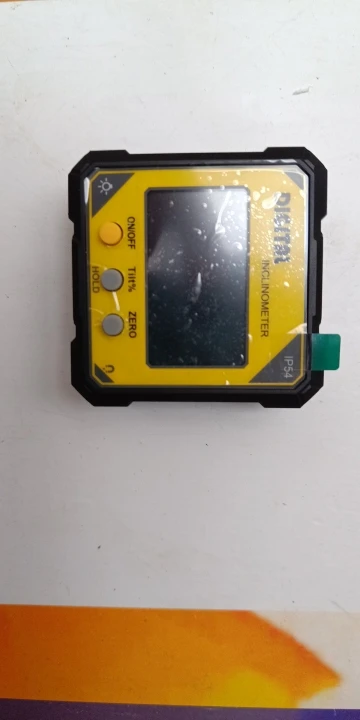
Excellent
👍
Works great and a great price. nice magnet and accuracy is good.
👍
👍
👍
Good value.
👍
👍
👍
Work good!!! perfect